Heat Relief Support
Learn more about tactics and support for staying cool all summer long. Don't hesitate to seek heat relief: stay alert, stay hydrated, and stay prepared when exposed to extreme heat.
Learn More about Heat Relief in Maricopa County
celebrationNews & Events at NAC! Check out the latest from our organization.


Native American Connections is proud to announce a new partnership with the City of Surprise to help lead the next chapter of the West Valley Housing Assistance Center (WVHAC).
OPEN: Monday - Friday, 8:00 AM - 5:00 PM for heat relief, hydration, and cooling.
Visit WVHAC Mon - Fri, 8am - 5pm
WVHAC is relaunching this August as a Maricopa County Heat Relief Network location, featuring a free hydration station and open hours for community members to cool down in a comfortable space.
In addition, select housing assistance services will be available starting August 10th, with additional program partners joining as we build out the next phase of WVHAC.

Native American Connections (NAC) is proud to operate the West Valley Housing Assistance Center, a dynamic community resource in the heart of Surprise, Arizona. WVHAC is made possible through strong partnerships with the City of Surprise, the City of Glendale, Maricopa County, Phoenix Rescue Mission, and Terros Health. Together, we are infusing vital resources and services into the underserved West Valley, creating a collaborative hub that supports individuals and families facing homelessness or housing instability.
A Collaborative Model for Lasting Impact: NAC’s WVHAC is designed as a community hub where leading service providers work collaboratively to address the diverse needs of residents of the West Valley. Through partnerships with organizations that specialize in employment services, family support, health resources, and housing navigation, the WVHAC will provide a coordinated network of support to improve resident access to care. By co-locating at the WVHAC, these partners can collaborate closely to provide coordinated support, warm referrals, and streamlined access to services for community members visiting the center. On-site partner services are expected to begin in October 2026.
NAC's West Valley Housing Assistance Center serves as a Maricopa County Heat Relief Network location, offering a free hydration station and a safe, air-conditioned space where community members can escape the heat during operating hours.

Learn more about tactics and support for staying cool all summer long. Don't hesitate to seek heat relief: stay alert, stay hydrated, and stay prepared when exposed to extreme heat.
Learn More about Heat Relief in Maricopa County

Looking for another cooling center? Check out Maricopa County's Heat Relief Network map.
Heat Relief Newtork Map
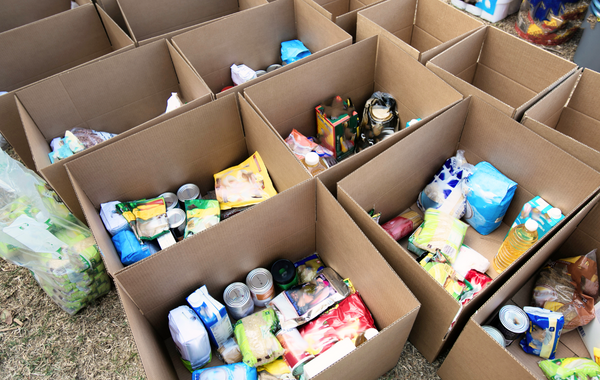
We welcome individual and group volunteers! Donations of food and essential items are urgently needed to help our unhoused neighbors and those at risk. To learn more about volunteering or donating, please contact j.sulu@nativeconnections.org.
Funding and Community Support
The West Valley Housing Assistance Center is funded by Native American Connections, the Arizona Department of Housing, Maricopa County Human Services, and the City of Surprise (HUD CDBG and CDBG-CV). We are grateful to our partners and supporters who make this work possible.
Contact our team

We welcome all service providers to see if WVHAC is the right place to meet clients, host meetings, and make your presence known in the West Valley community. Contact our team to get connected with our program coordinator.
Email Our Team

As the backbone organization, Native American Connections oversees site operations and coordinates partnerships among municipalities, nonprofits, healthcare providers, and community organizations to deliver a collaborative, integrated response to homelessness in the West Valley. The NAC Mobile Health Van will be on-site at two scheduled times each month to provide medical and psychiatric care, beginning in September 2026.

As the lead funding partner, the City of Surprise advocates for resources, expands community partnerships, and collaborates with neighboring municipalities to develop regional solutions that improve access to essential services and support long-term stability.

Operates the eight on-site shelter units and provides comprehensive case management for families experiencing homelessness. Individuals interested in those shelter services should contact PRM directly, as all shelter eligibility and intake are managed by their team and not on-site.

Provides on-site behavioral health support, care coordination, assessments, and referrals for youth and families. The partnership also includes virtual care access and coordinated service delivery with Native American Connections.


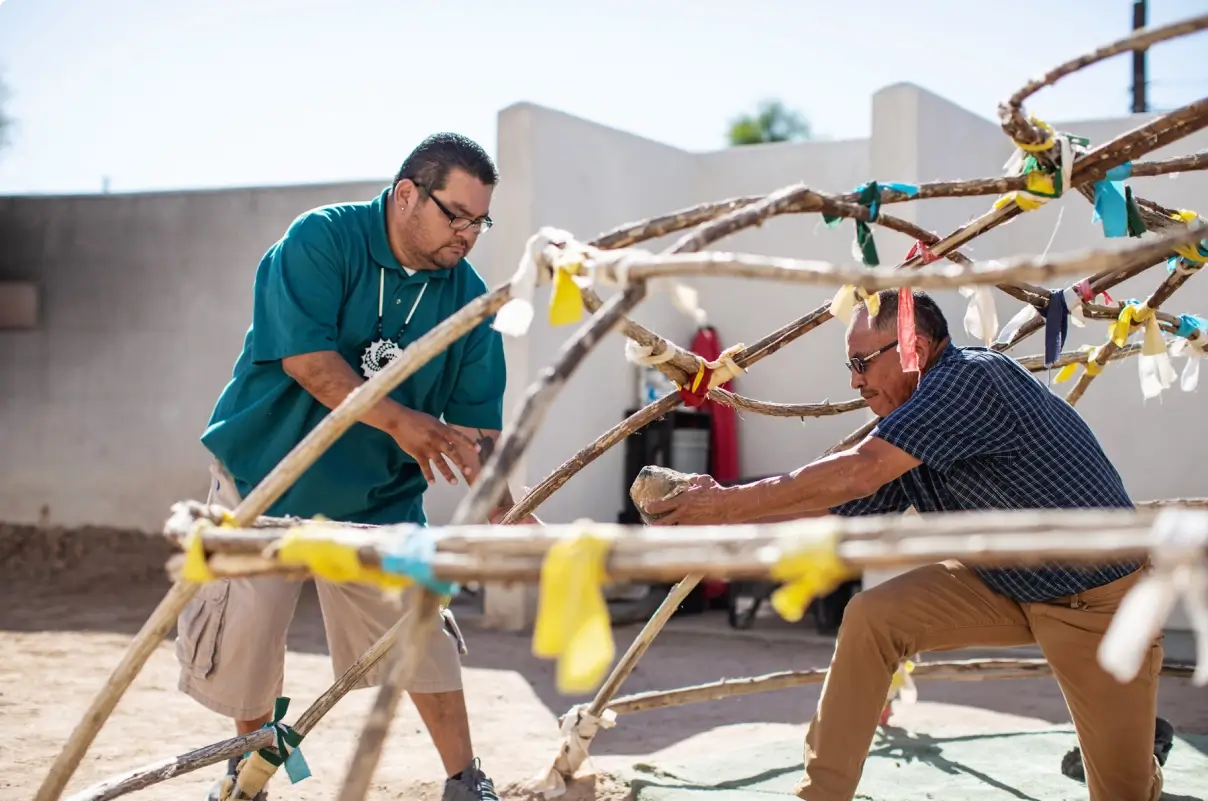
Our traditions are the foundation of our organization - explore, learn, and utilize resources available for all.
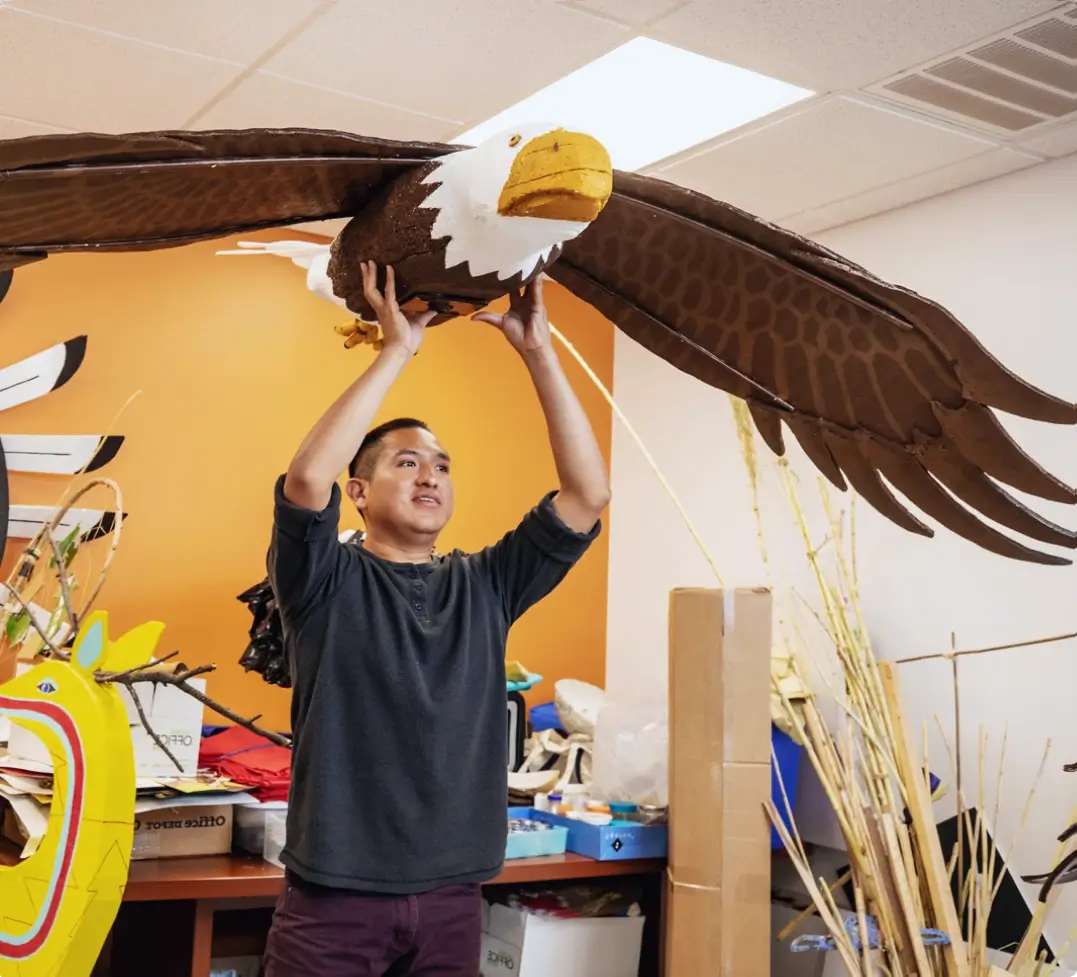
Get the support you need with health, housing, and community services available at Native American Connections.

Your support changes lives and builds healthy communities. Find ways to get involved.
Visit WVHAC Mon - Fri, 8am - 5pm
A "chronically homeless" individual is defined to mean a homeless individual with a disability who lives either in a place not meant for human habitation, a safe haven, or in an emergency shelter or in an institutional care facility if the individual has been living in the facility for fewer than ninety (90) days and had been living in a place not meant for human habitation, a safe haven or in an emergency shelter immediately before entering the institutional care facility. In order to meet the ‘‘chronically homeless’’ definition, the individual also must have been living as described above continuously for at least twelve (12) months or on at least four (4) separate occasions in the last three (3) years, where the combined occasions total a length of time of at least twelve (12) months. Each period separating the occasions must include at least seven (7) nights of living in a situation other than a place not meant for human habitation, in an emergency shelter or in a safe haven.
Federal nondiscrimination laws define a person with a disability to include any (1) individual with a physical or mental impairment that substantially limits one or more major life activities; (2) individual with a record of such impairment; or (3) individual who is regarded as having such an impairment. In general, a physical or mental impairment includes, but is not limited to, examples of conditions such as orthopedic, visual, speech and hearing impairments, cerebral palsy, autism, epilepsy, muscular dystrophy, multiple sclerosis, cancer, heart disease, diabetes, Human Immunodeficiency Virus (HIV), developmental disabilities, mental illness, drug addiction, and alcoholism.